-
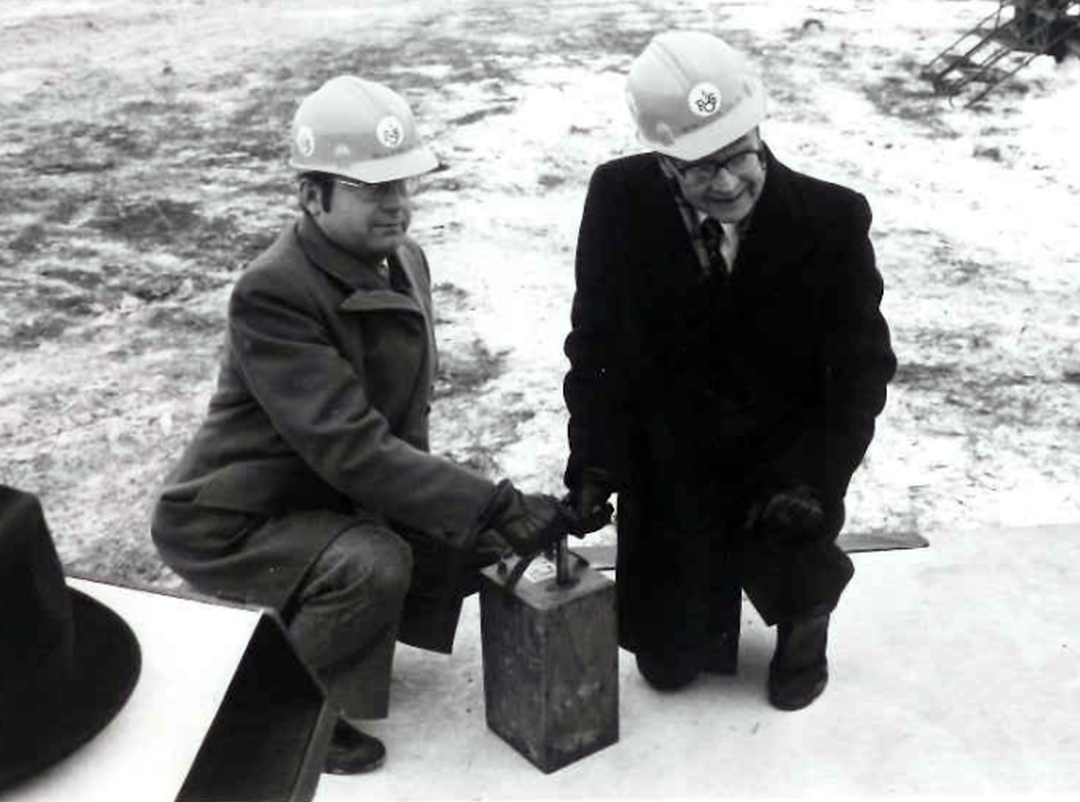
1973 – POS Pilot Plant Corporation Founded as a Not-for-Profit Agricultural Research Initiative
POS’s story begins in 1973 with the creation of the Protein, Oils, and Starches (POS) Pilot Plant Corporation, a not-for-profit joint venture supported by both federal and provincial governments, alongside industry leaders. The mission was to develop advanced methods for processing cereals, oilseeds, and legumes, improving ingredient extraction and creating value from Canadian crops. Driven by leadership across federal and provincial agencies, the initiative addressed a critical need for development capacity in crop processing. An interim board, representing public and private sectors, secured funding, selected the University of Saskatchewan campus as its location, and designed a multi-purpose facility to support research, technology development, and ingredient innovation.
-
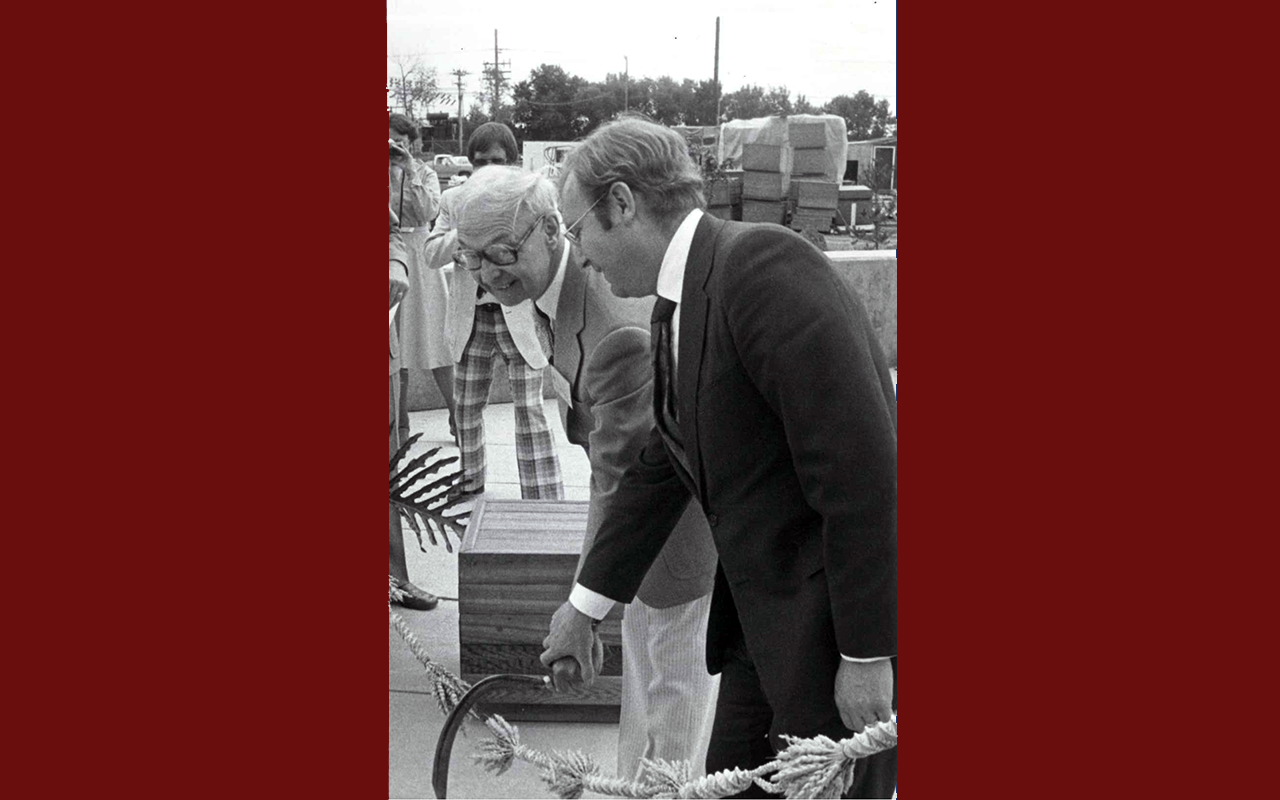
1977 – POS Pilot Plant Officially Opens its Doors as a Publicly Supported Research Facility
By 1977, construction was completed, and POS opened its doors on the University of Saskatchewan campus. Our facility provided applied, fee-for-service research to clients in grain and oilseed processing, canola research, and ingredient development. Over the next four decades, POS became the go-to partner for companies seeking expertise in the commercialization of proteins, oils, and starches, building a strong reputation for technological innovation and collaborative problem-solving in the agri-food industry.
-

1982 – Princess Anne Visits POS as Part of Royal Tour
On July 12, 1982, Her Royal Highness Princess Anne visited POS during her tour of Saskatchewan, Manitoba, and the Yukon. While touring the plant and laboratory areas, the Princess observed the flaking mill in operation as it processed canola seed. She was accompanied by the then-mayor of Saskatoon, Cliff Wright, and the Honourable Jack Sandberg. Princess Anne showed genuine interest in POS and its developmental work.
-
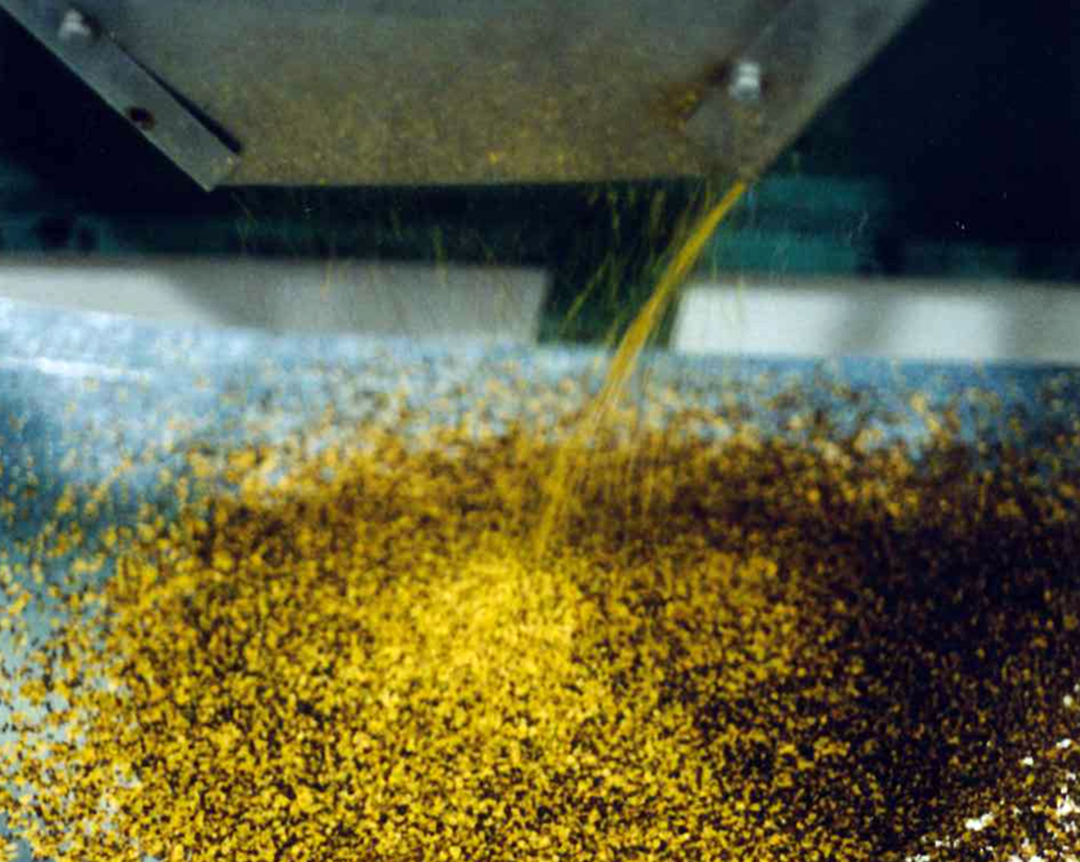
Late 1970s to Early 2000s – POS Advances Canola Research and Industry Development
POS played a central role in supporting the emerging canola industry in Saskatchewan and Canada. We helped pioneer oil extraction and scale-up processes, established check-sample testing programs, and supplied specialized fractions such as solvent/water-extracted gums, deodorized distillate, and free fatty acids for research. Through the 1990s and into the 2000s, POS continued to provide analytical services on canola meal composition and advanced R&D in rapeseed protein fractionation and isolation. These efforts helped establish canola as a world-leading Canadian innovation and positioned POS as a trusted partner in oilseed research and commercialization. POS served as the main extraction and scale-up hub for rapeseed oil, helping pioneer the processing methods that enabled canola’s commercial success in Saskatchewan and beyond.
-
Early 1990s - POS Invests in Bioriginal and Works Together to Form Client-Supplier Relationship
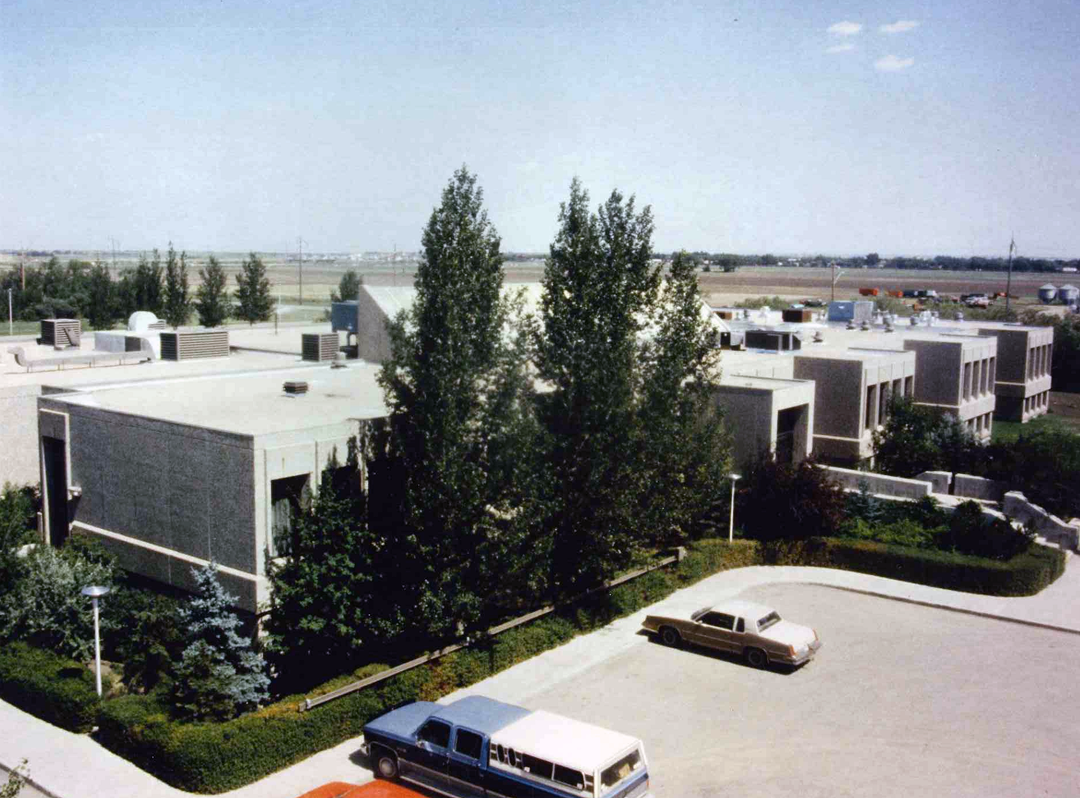
Bioriginal and POS began working together to develop extraction and purification processes for novel oils. In its early days, Bioriginal even rented office space in the POS linkbuilding. POS then conducted numerous projects for Bioriginal, helping optimize and scale up Bioriginal’s proprietary oil extraction processes.
-
2001 – POS Pilot Plant Upgrades Facility to GMP Standards
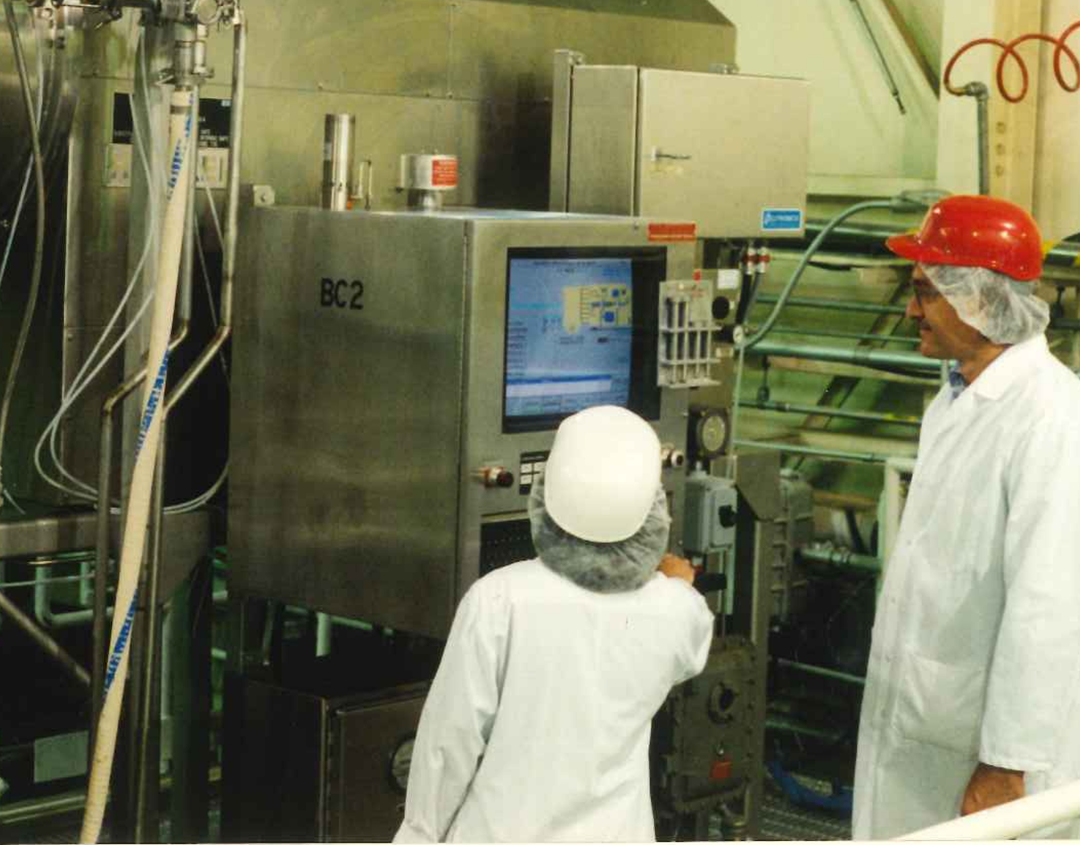
In 2001, POS received federal and provincial funding to upgrade its facility to international GMP standards. The investment supported the purchase of advanced processing systems and enhanced research infrastructure. These upgrades positioned POS as one of the few North American facilities able to offer state-of-the-art product development and scale-up capabilities for the food, nutraceutical, pharmaceutical, and cosmetic industries. The improvements gave the companies who use POS’s facility access to world-class resources and strengthened POS’s role as a catalyst for value-added innovation.
-
2010 – POS Pilot Plant Transitions to POS Bio-Sciences
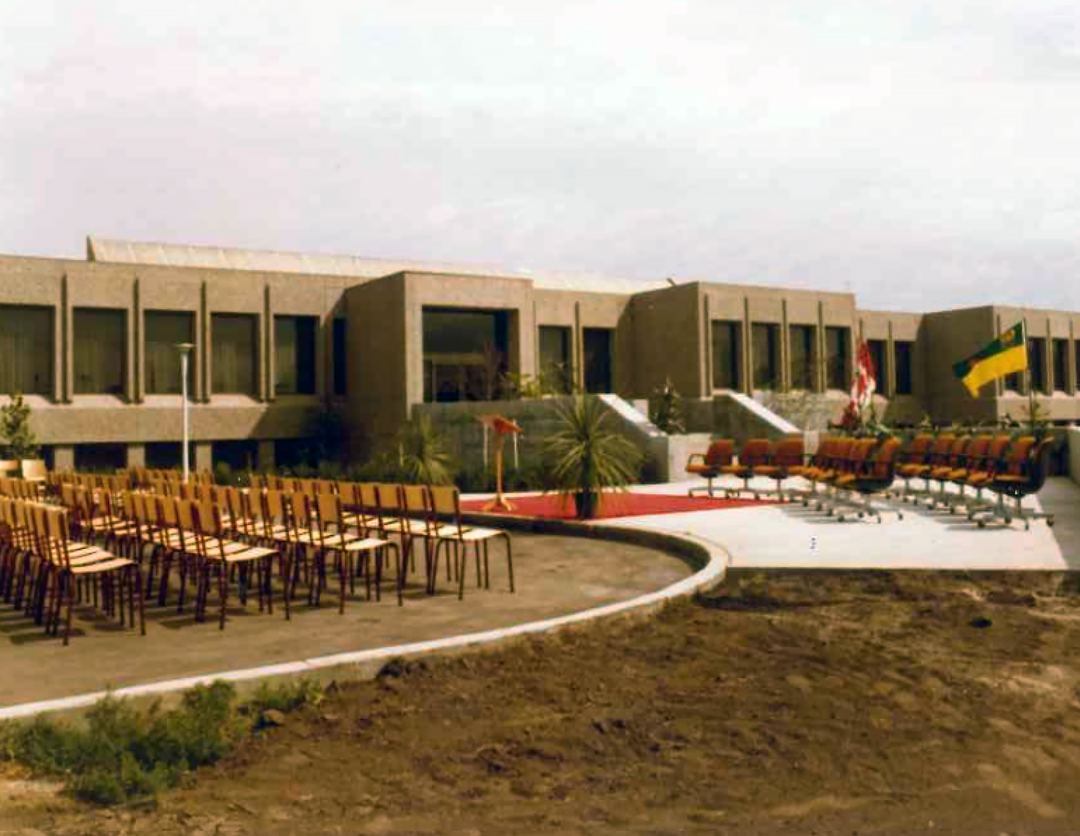
In the mid-2000s, POS restructured from a not-for-profit corporation into commercial production for the bioproduct, food, biofuel, and nutraceutical industries. With a new name—POS Bio-Sciences—this was the start of POS expanding beyond public research into contract R&D, custom processing, and analytical services. Operating as a for-profit business allowed POS to respond more quickly to market opportunities while continuing to build on its reputation for scientific expertise and innovation.
-
2012 – POS Restructures and Transitions into a Fully Privatized Service Provider
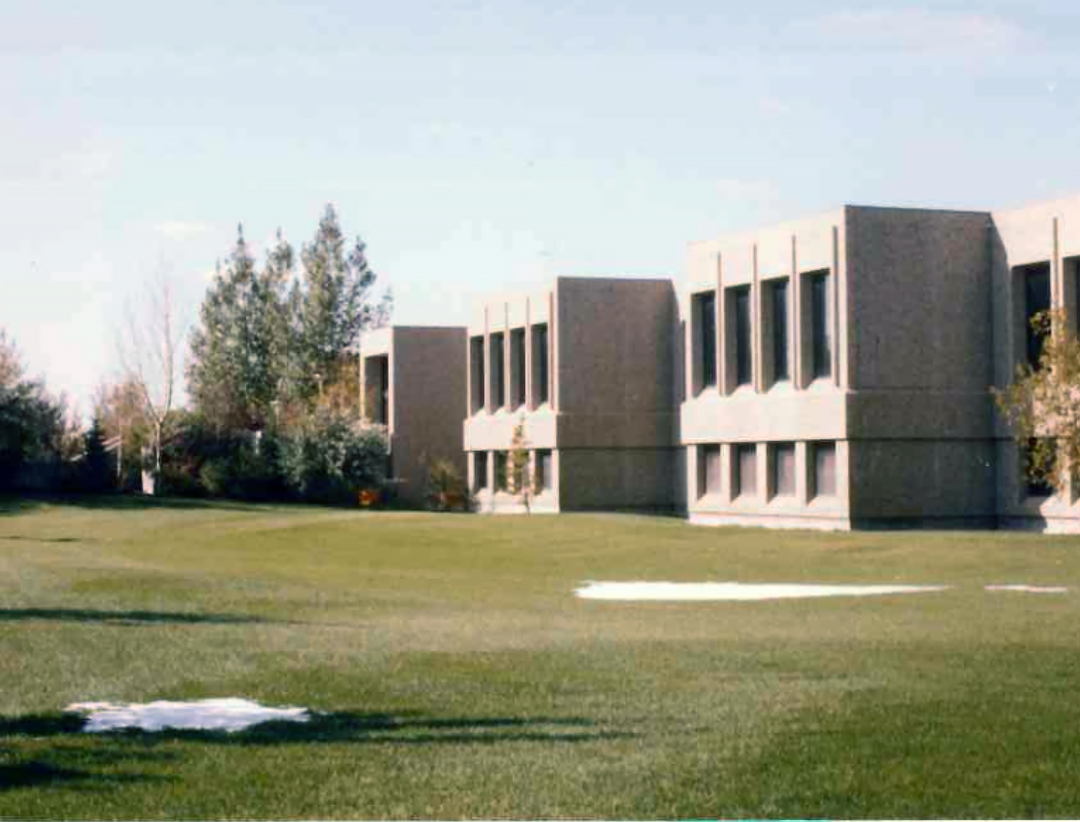
Two years after the transition to POS Bio-Sciences, POS underwent a major restructuring. Beginning in 2010, a new CEO was recruited, corporate structures were redefined, and capital was raised to expand capabilities. The move to full privatization marked a turning point, positioning POS to offer a broader range of services, including research and development, custom processing, and analytical testing, while operating with the agility and client-focused mindset of a fully commercial enterprise.
-
2013 – POS Introduces Employee Ownership Through a Labor-Sponsored Venture Capital Corporation
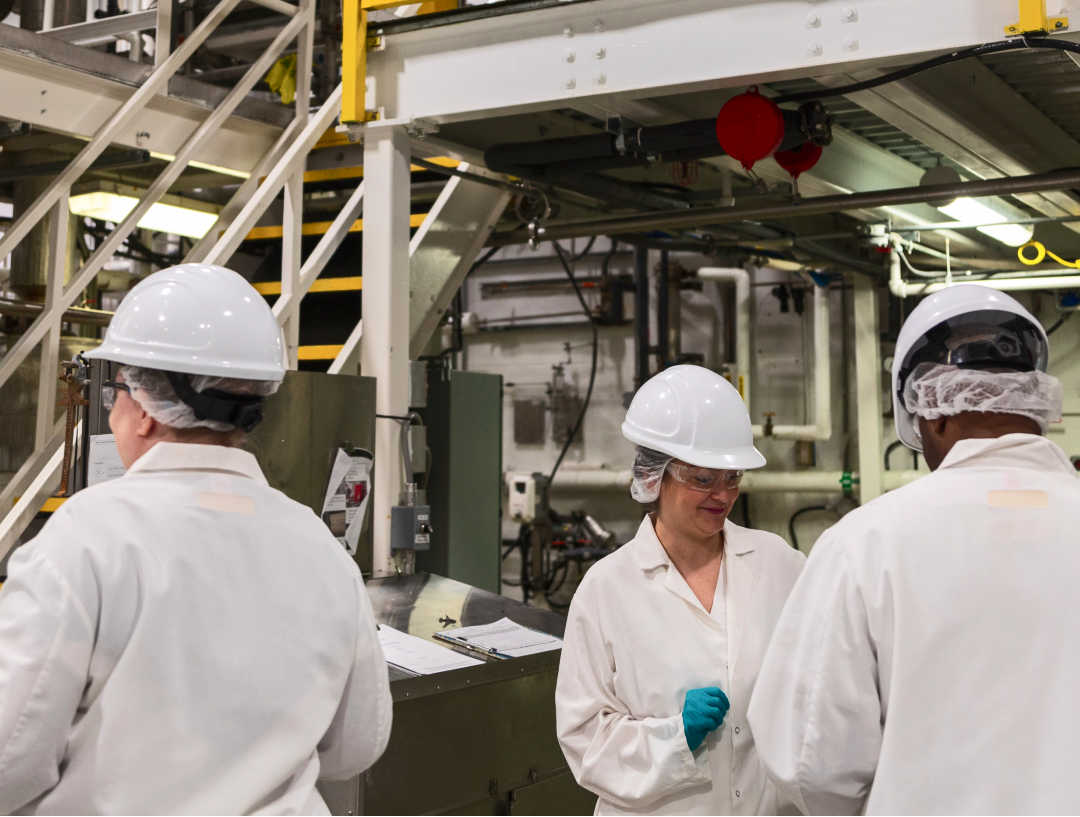
Through a new Labor Sponsored Venture Capital Corporation (LSVCC), employees were able to acquire partial ownership in POS. This initiative fostered deeper employee engagement, aligning team success with company performance. Alongside the new ownership structure, POS launched a refreshed marketing and business development strategy designed to diversify its client base and strengthen its long-term economic sustainability.
-
2014 – POS Begins Focus on Commercial Production for the Food, Nutraceutical, Bioproduct & Biofuel Industries
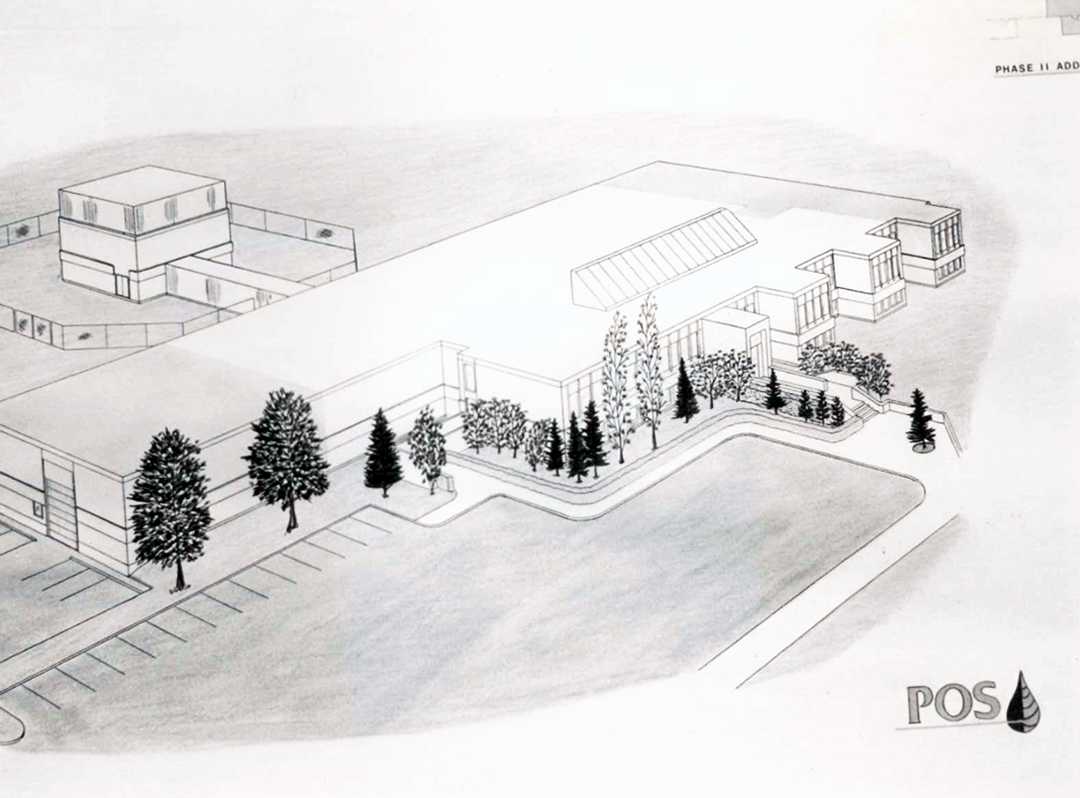
The acquisition of the Bio-Processing Centre (BPC) in Saskatoon marked POS’s move into full commercial production. The facility added 12,000 sq ft to the existing plant and helped bridge the gap between pilot-scale research and commercial manufacturing to expand POS’s ability to serve clients across the food, nutraceutical, bioproduct, and biofuel sectors.
-

2017 – POS Creates Spin Off Businesses Algarithm and Lakessence
By 2017, POS expanded its vision beyond contract research by creating two spin off companies that reflected its commitment to plant-based innovation. Algarithm Ingredients focused on producing clean-tasting, plant-based omega-3s from algal oil, while Lakessence explored opportunities in essential oils and oleoresins. Lakessence has since been discontinued as a corporate entity, while Algarithm continued to grow and was acquired by Mara Renewables in 2022.
-
2019 – POS Joins Canopy Growth and Rebrands as KeyLeaf Life Sciences
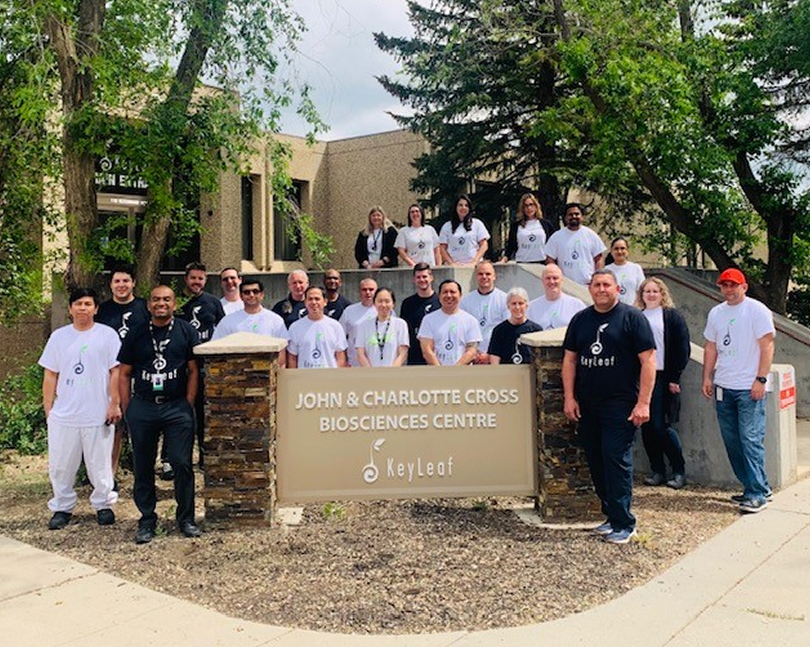
A new chapter began for POS when we were acquired by Canopy Growth Corporation and rebranded as KeyLeaf Life Sciences, reflecting a new focus on plant-based extraction and innovation. Canopy renovated the Flam-1 area, fully automating it and transforming it into one of the world’s largest cannabis and hemp extraction facilities. Leveraging Canopy’s global reach, KeyLeaf applied its scientific and processing expertise to address complex challenges in the cannabis industry, supporting Canopy’s first-to-market objectives for premium quality products. At the same time, KeyLeaf continued to collaborate selectively with other clients for manufacturing and R&D, maintaining its broader commitment to advancing food, nutraceutical, and bio-based industries.
-
2024 – Bioriginal Food & Science Corp. Acquires POS Biosciences Corporation
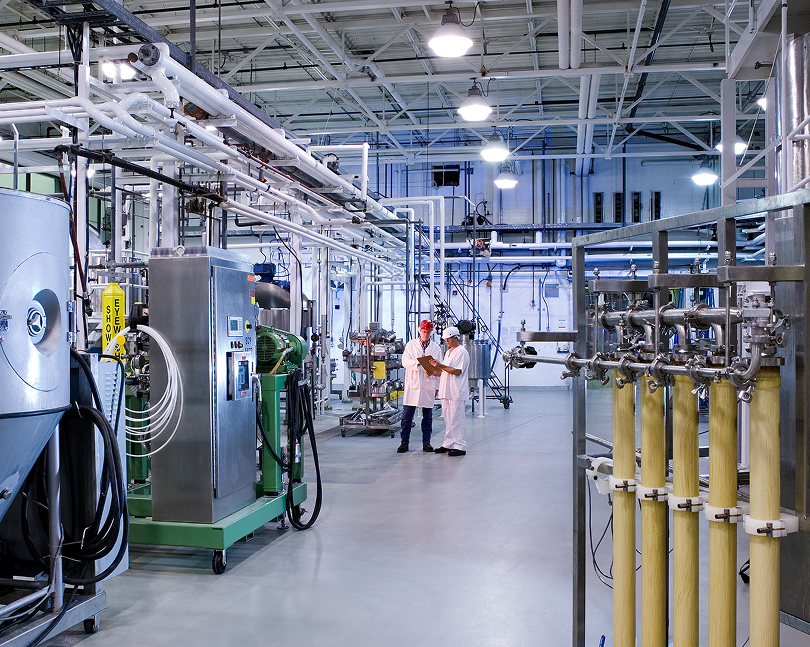
In 2024, Bioriginal Food & Science Corp., a subsidiary of Cooke Inc., acquired Keyleaf from Canopy Growth and reinstated the original POS Biosciences name. The acquisition integrated Bioriginal’s R&D teams in New Product Development with POS Innovation, creating a unified center of expertise that delivers end-to-end innovation services under one roof. Combining POS’s specialized processing capabilities and scientific expertise with Bioriginal’s global operations expanded opportunities in the food, nutraceutical, and functional ingredient markets. Under Bioriginal’s ownership, POS remains committed to delivering innovative solutions that help bring high-quality products to market.
-
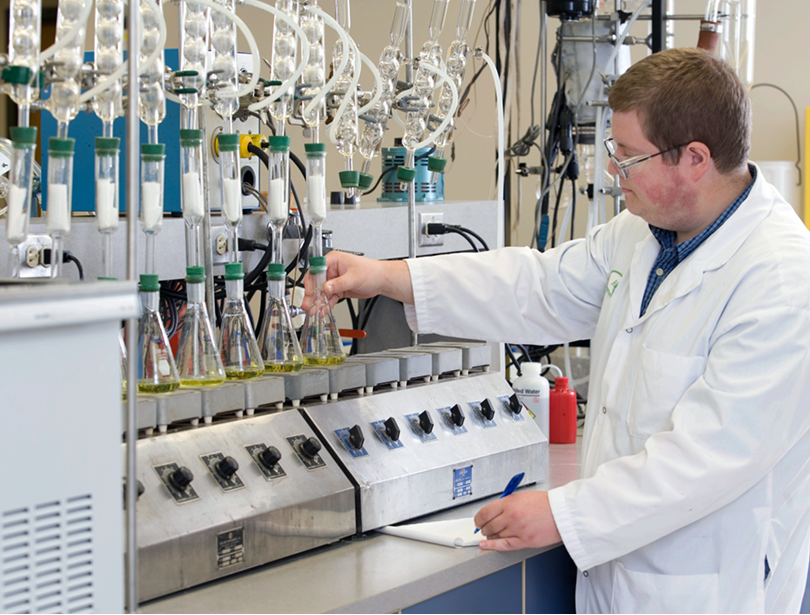
March 2024 – Bioriginal and POS Launch Sustainable Omega-3 Line
In 2024, Bioriginal and POS introduced a new line of sustainable omega-3 oils derived from fish and plant-based sources. By combining Cooke’s aquaculture expertise with POS’s advanced processing technologies, the collaboration created a secure, renewable supply of high-quality omega-3 ingredients. The initiative emphasized responsible sourcing, with aquaculture-based fish oil and flax oil from family-owned Canadian farms, all fully traceable from origin to finished product. This launch reinforced Bioriginal and POS’s shared commitment to innovation and sustainability in both human and pet nutrition markets.